Let’s Find Your Smart Glasses
Looking for camera glasses, AI translation features, or a pair for your active lifestyle? Tell us what matters to you, and we’ll help you explore suitable models.

Smart glasses can involve an eyewear brand, electronics supplier, app developer, and retailer with different responsibilities. We examine who stands behind the product, what past shutdowns reveal, and how to assess support before buying.
When I assess smart glasses, the name printed on the temple matters less than the chain of companies responsible for the frame, electronics, companion app, and replacement process, because those responsibilities can split precisely when something fails.
Who actually owes you a working pair?
That question gets buried beneath camera specifications, translation promises, and celebrity advertising. Yet it determines whether a broken hinge becomes a straightforward replacement or a three-company argument.
My position is simple: support belongs in the product specification. A documented repair process deserves as much attention as a microphone array.
“Manufacturer” can describe several different businesses. Before comparing smart glasses brands, I separate five roles:
One company may perform several roles. Other products depend on separate businesses at every stage.
An original design manufacturer, or ODM, can develop a platform that other companies sell under their own brands. An original equipment manufacturer, or OEM, may manufacture products or components to another company’s requirements; commercial usage of these terms varies.
Neither arrangement automatically tells us whether a product is good. I care about who controls firmware updates, approves component substitutions, and pays when a batch develops a fault.
Similar frames alone prove very little. They do not establish identical batteries, microphones, firmware, quality control, or warranty coverage.
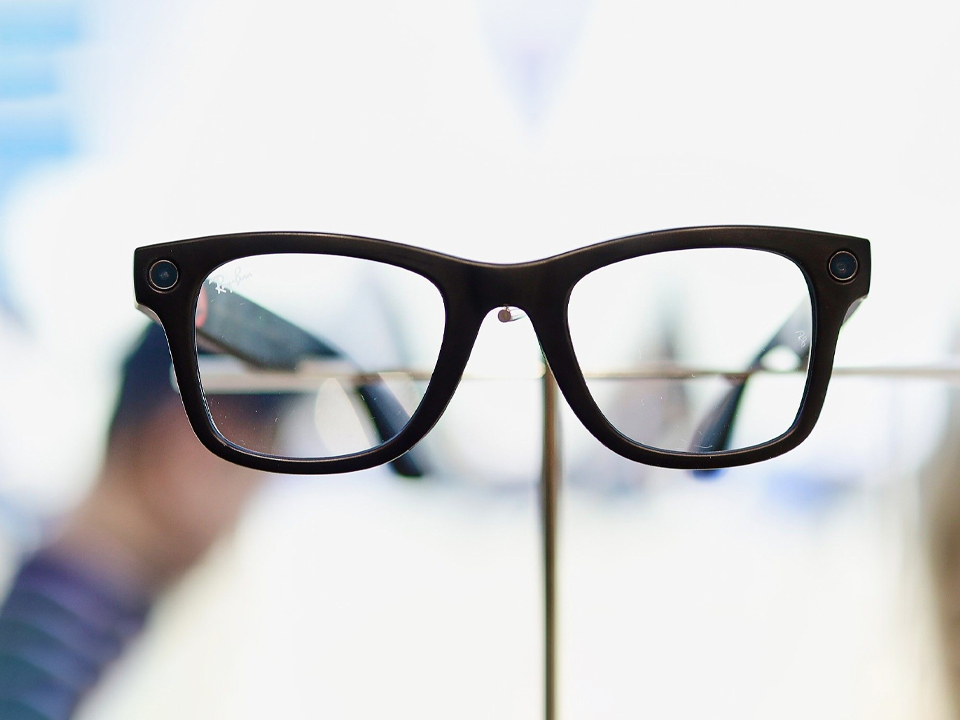
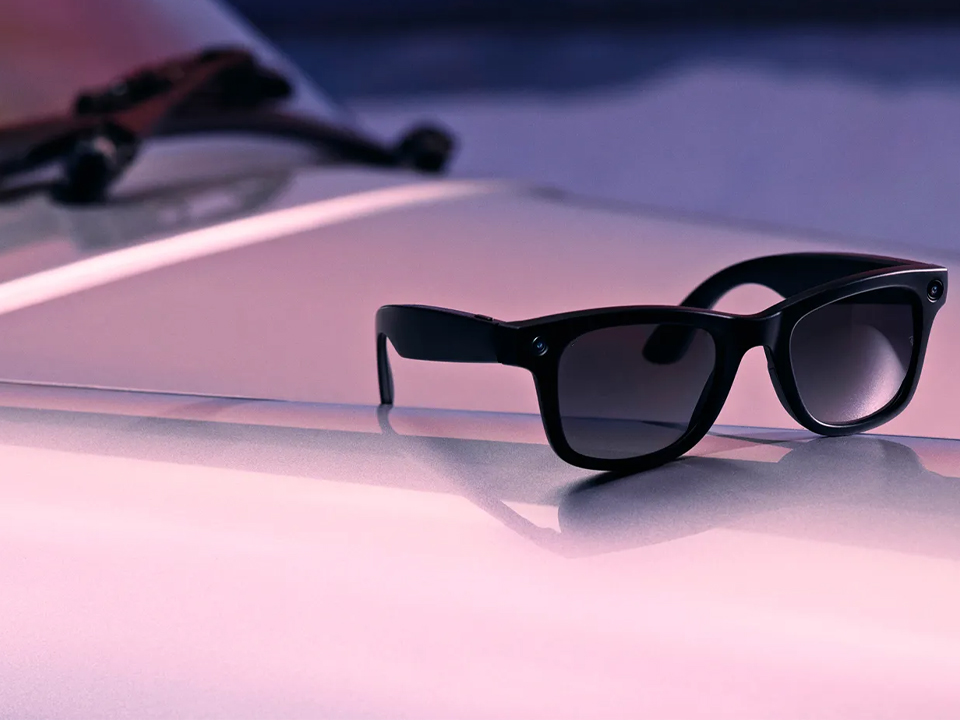
Ray-Ban Meta glasses come from the partnership between Meta and EssilorLuxottica, the eyewear group behind Ray-Ban. Treating either partner as the entire product company misses how the device works.
The September 2023 launch provides a useful, dated reference point. Meta announced a $299 starting price, a 12-megapixel camera, five microphones, and the Qualcomm Snapdragon AR1 Gen 1 platform, with retail availability beginning October 17, 2023. Those are historical launch specifications and pricing, rather than a current quotation. Meta Smart Glasses
Here is the distinction I would carry into a purchase: an eyewear partnership explains product development, but it does not establish the service route for every buyer.
A damaged frame, failed account login, and unavailable AI feature are different problems. Ask which organization handles each one in your country and through your chosen retailer.
And keep the answer. A support promise that disappears after checkout is difficult to use.
Google’s Glass Enterprise Edition offers a documented warning about product longevity.
Google stopped selling the device on March 15, 2023, and ended its stated support period on September 15, 2023. Its announcement said existing devices and software could continue working, but no Google software updates were planned; it also warned that Meet on Glass could stop working after support ended. Glass Enterprise Edition Help
That distinction matters. Discontinuation does not necessarily switch off every function overnight. Instead, the product can lose support, compatibility, or individual services on different schedules.
I would therefore ask smart eyewear companies two separate questions:
How long will you support this hardware? What survives if the app or service closes?
For audio glasses, test whether ordinary Bluetooth playback works without a vendor account. For translation glasses, establish whether processing happens on the glasses, on the phone, or through an online service.
A feature you cannot use without a functioning server carries a different ownership risk from a feature that works locally.
Specifications become useful when they answer a practical question.
Consider the listing for GL01 metal-frame smart glasses with Bluetooth 5.4 audio. The product name identifies a material and connection standard. It does not, by itself, establish call quality, battery endurance, repairability, or the identity of the factory.
I would request a manual, supported Bluetooth profiles, battery test conditions, and the replacement procedure before treating those details as settled.
The HY-1017 sports smart glasses with TR90 and AI translation raise another set of questions. What holds the frame securely during movement? Is there a documented water-resistance rating? Does translation require mobile data or a paid subscription?
TR90 is a frame-material designation. It cannot establish the finished product’s resistance to sweat, hinge failure, or impact.
For the HY-1013 smart glasses listed with AI translation and touch control, I would prioritize a demonstration using the intended language pair in background noise. Ask about response delay, phone compatibility, and whether both speakers need an app.
These are checks to perform, not verified performance claims about the linked products. The supplied product pages could not be independently retrieved during research.
My hard rule: do not convert a feature name into a performance conclusion.
A warranty answers what the company promises to do. Repairability asks whether someone can actually restore the device.
Those are different questions.
A seller might replace a defective pair during coverage while offering no paid battery service afterward. Another might provide spare parts but require expensive international shipping. Either arrangement changes the ownership cost.
The broader electronics industry offers a relevant regulatory example. On July 3, 2024, the U.S. Federal Trade Commission announced warranty warning letters to eight companies, including ASRock, Zotac, and Gigabyte, concerning practices that could restrict repair choices. These were warnings about potential violations, not findings against the smart glasses sellers discussed here. Federal Trade Commission
The FTC explained that requirements to use specified parts or service providers are generally prohibited under the Magnuson-Moss Warranty Act unless the parts or services are provided free or the company receives an FTC waiver. That U.S. rule does not establish the coverage available for every international purchase. Federal Trade Commission
Before paying, obtain written answers covering:
I also recommend sending one specific support question before checkout. The response gives you evidence about communication quality, although it cannot guarantee future service.
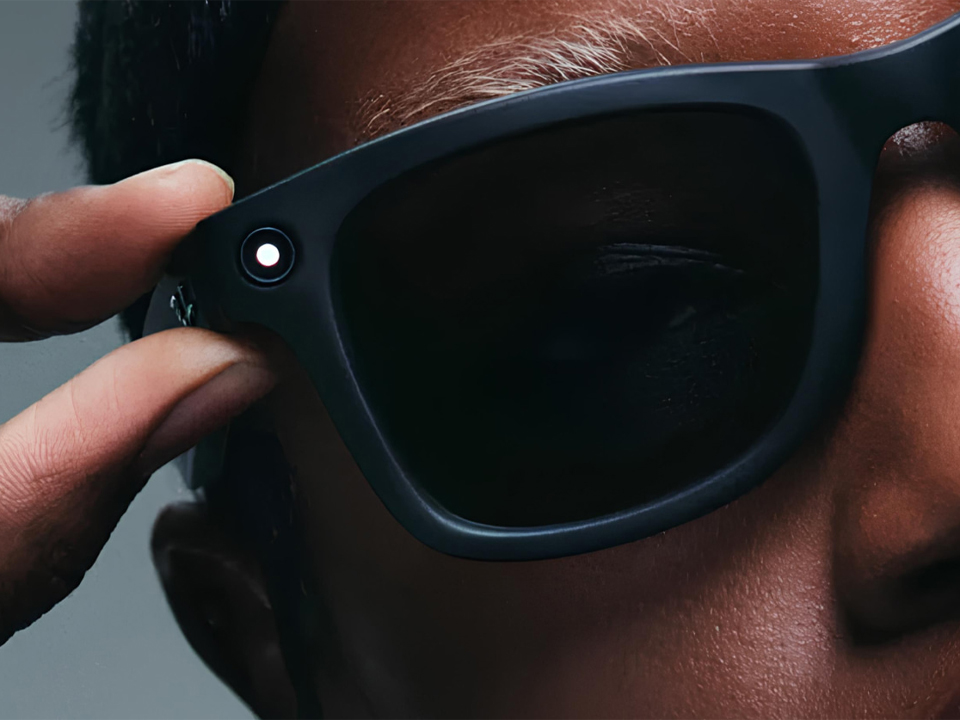
The best smart glasses brands for a buyer are those whose features, dependencies, and service arrangements fit the intended use.
I would use this comparison before looking at promotional rankings.
| Product type | What to establish | Evidence to request | Ownership risk to examine |
|---|---|---|---|
| Bluetooth audio glasses | Playback and calling requirements | Manual, Bluetooth profiles, phone compatibility | Battery failure or unavailable replacement parts |
| Camera and AI glasses | Account, app, and regional dependencies | Feature availability and support documentation | Software changes affecting advertised functions |
| Translation glasses | Where translation runs and what it costs | App name, language list, subscription terms, live demonstration | Service closure, recurring fees, or poor accuracy |
| Display or AR glasses | Host-device and software requirements | Compatibility list and connection requirements | Required adapters or unsupported devices |
| Private-label glasses | Seller, developer, and factory responsibilities | Business identity, model-specific documents, warranty terms | Unclear responsibility when faults arise |
For example, the HY-1010 smart glasses listed with AI translation and a TR90 frame should prompt both software questions and physical-service questions. A translation demonstration answers one part of the buying decision; a written battery-replacement policy answers another.
For business buyers, I would add firmware version control and replacement consistency. A repeat order should come with confirmation of whether the app, electronics, or components have changed.
The model name alone is insufficient evidence.
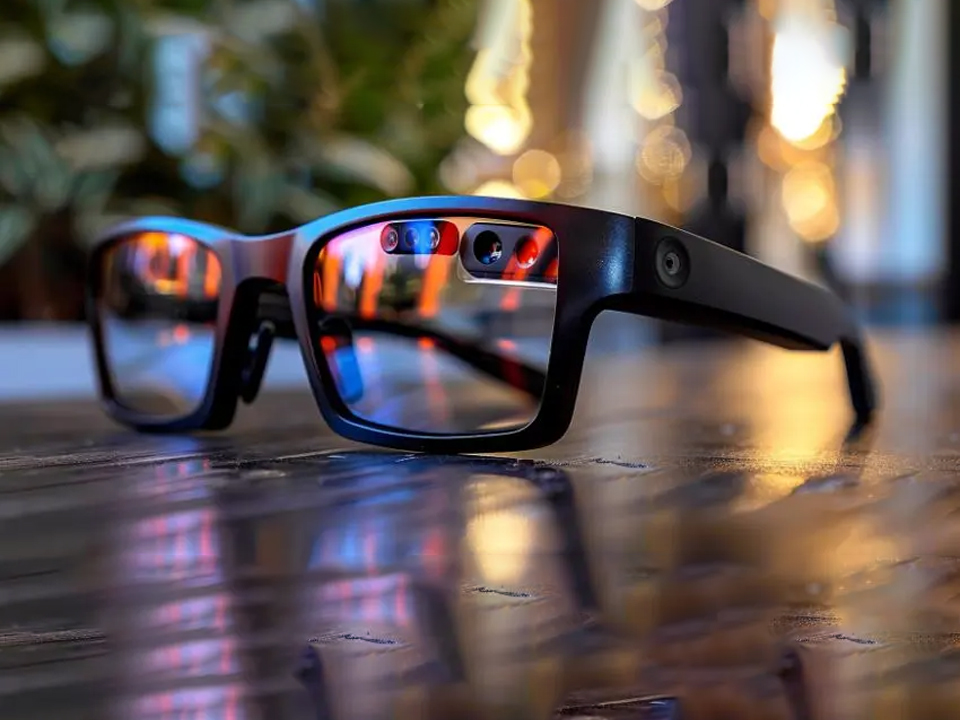
Smart glasses are made through combinations of eyewear brands, technology developers, component suppliers, and manufacturing partners, while separate businesses may operate the companion software or sell the finished product, making the brand on the frame an incomplete guide to who designs, assembles, updates, and supports a particular pair.
I would identify the seller and warrantor first, then investigate the development and manufacturing chain where documentation is available.
Ray-Ban Meta glasses are developed through the partnership between Meta and EssilorLuxottica, combining the Ray-Ban eyewear brand with Meta’s connected technology and software, while component suppliers contribute specific hardware and the appropriate support route depends on the purchase channel, location, model, and nature of the problem.
For service, start with your receipt and the support documentation supplied for that exact pair.
Smart glasses customer support should provide a clear contact route, model-specific troubleshooting, compatibility guidance, warranty claim instructions, and an explanation of repair or replacement options, with documented responsibility for hardware faults, companion-app problems, account access, and any connected services required to deliver the features advertised at purchase.
I would also ask for a case number and written confirmation of the next step whenever a fault is reported.
Smart glasses warranty and repairs are the contractual and practical processes used to address faults, with coverage determined by the applicable terms and local law, and outcomes potentially including troubleshooting, component repair, replacement, or refund depending on the defect, purchase date, seller, and availability of service.
Read the exclusions before ordering. In particular, distinguish defect coverage from accidental damage and ordinary battery wear.
The best smart glasses brands for long-term ownership are those that match the buyer’s intended tasks while documenting software dependencies, warranty responsibility, spare-part availability, and service options, allowing buyers to assess continued usefulness and total cost instead of relying exclusively on brand recognition, advertised features, or launch specifications.
I would favor a modest feature set with clear support over a longer feature list whose operating requirements remain unexplained.
Choose the function you need first: audio, photography, translation, or a display. Then request the exact model documentation, app requirements, warranty terms, and service route.
Compare the linked GL01 and HY listings with those answers beside you. Ask the seller to identify who handles hardware failures and who maintains the software.
A credible brand should be able to explain both.