Let’s Find Your Smart Glasses
Looking for camera glasses, AI translation features, or a pair for your active lifestyle? Tell us what matters to you, and we’ll help you explore suitable models.

The best smart glasses solve a recurring problem without creating three new ones. This guide explains how to weigh comfort, cameras, battery claims, prescription compatibility, and privacy against your actual routine.
When I assess smart glasses, I put the advertised intelligence behind the ordinary constraints that determine whether someone will actually wear them: pressure behind the ears, useful battery runtime, reliable phone pairing, and the social cost of pointing a camera at everyone nearby.
What good is an impressive demonstration if the glasses spend your working day inside their charging case?
My position is straightforward: buy for the task you repeat, then judge the technology by how reliably it removes effort. A commuter taking calls, a parent capturing short videos, and a professional reading virtual screens need different products—even when all three boxes say “smart glasses.”
Write one sentence before opening a product page:
“I want these glasses to help me __ while I __.”
That second blank exposes weak purchases. Listening to directions while walking makes sense. Watching a virtual screen while sitting on a train raises different questions about visibility, cables, and external power.
Separate the main categories:
These categories overlap. They are not interchangeable.
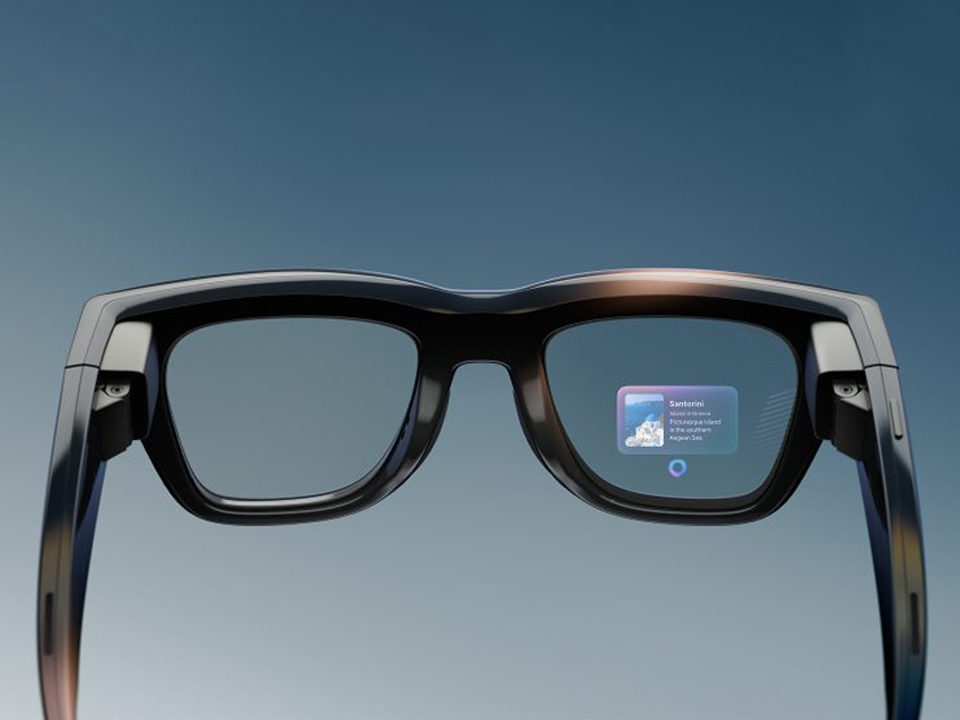
“AI” does not establish that a device has a display, works offline, understands your preferred language, or supports every feature in your country. I would reject any shortlist that leaves those questions unanswered.
A frame can win a specification comparison and still lose against your nose.
Check the bridge fit, temple pressure, slipping when you look down, and interference with headphones or headwear. If you can try the glasses, wear them long enough to notice pressure rather than judging them from a mirror photograph.
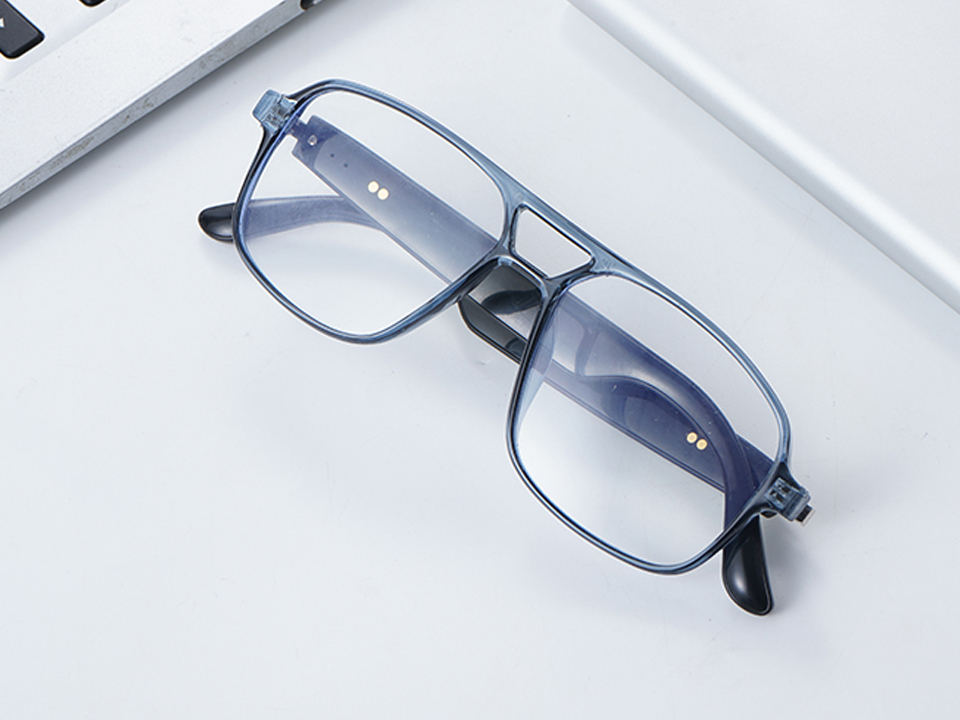
For prescription smart glasses, ask the seller or dispensing optician to confirm:
“Prescription compatible” is a starting point. It does not confirm that your prescription, chosen frame, and preferred lens treatment form an available combination.
I also favor a written return policy over confident sales language. Establish whether fitted prescription lenses, opened electronics, and fit-related returns receive different treatment before paying.
Megapixels are easy to advertise. A usable recording workflow takes more explanation.
For historical context, Meta’s September 27, 2023 announcement introduced Ray-Ban Meta glasses starting at US$299, with a 12 MP camera, 1080p video, and prescription-lens compatibility. Those are launch-era reference points, not a current quotation or a specification sheet for every subsequent generation. Meta Smart Glasses
The lesson is that a recognizable brand and a clear camera specification still leave practical questions unanswered:
Can you start recording without fumbling? Is speech intelligible outdoors? What happens in dim light? Can you export a file without publishing it?
If you are considering the HG013 AI glasses listing for its advertised 8 MP camera and Wi-Fi transfer, request original sample files and a transfer demonstration. The supplied URL names those features; I could not independently verify the product page’s specifications.
For AI functions, ask for a demonstration using your own task. Reading an unfamiliar sign, responding to a question, and translating a conversation place different demands on a system.
My buying rule: a feature earns credit only when its limits are clear. Ask what requires internet access, which phone operating systems are supported, whether subscriptions apply, and what remains usable if the AI service is unavailable.
“All day” is not a test protocol.
A battery estimate means little without the workload behind it. Standby, music playback, calls, video capture, and cloud-assisted requests should not be treated as equivalent activities.
Separate three figures:
A case extends access to power. It does not make interrupted use continuous.
Here is a planning example, not a product claim: two 45-minute commutes plus 30 minutes of calls require 120 minutes of active use. Adding a 25% reserve produces a target of 150 minutes under a comparable workload.
That calculation is more useful than an unexplained headline.
During the return window, repeat your expected routine and record the starting charge, ending charge, functions used, and any shutdowns. Test file transfers too. A camera that survives recording but dies before exporting has not completed the job.
A camera on your face changes the room.
I consider recording indicators, microphone controls, account security, and deletion settings part of the purchase—not administrative details to investigate afterward.
The stakes are concrete. In April 2024, the US Federal Trade Commission announced more than $5.6 million in refunds through 117,044 payments following its Ring camera settlement over allegations involving employee access and inadequate security protections. Ring’s home cameras are a different product category; the case illustrates why access controls and cloud handling deserve scrutiny in any connected camera purchase. Federal Trade Commission
Ask where recordings go, whether uploads are optional, who can access them, and whether deletion covers cloud copies. Check whether the account supports multifactor authentication.
Then consider where you work. A visible recording light does not establish that recording is welcome or permitted. If your routine includes confidential meetings or camera-restricted workplaces, those constraints may outweigh the camera’s usefulness.
Sometimes the smartest buying decision is to change categories.
If your main objective is sleep or activity tracking, camera glasses may be solving the wrong problem. The V10 smart ring listing for heart-rate, sleep, and activity tracking offers a relevant comparison point, while the V1 smart ring listing for daily sleep and heart-rate tracking provides another option to investigate.
Those linked product names identify advertised functions, not independently verified accuracy. Ask for validation evidence, sizing arrangements, subscription costs, and data-export options.
And draw a firm line around medical claims. On February 21, 2024, the FDA warned against smartwatches and smart rings claiming to measure blood glucose without piercing the skin; at that time, it had not authorized, cleared, or approved a watch or ring to measure or estimate glucose independently. That warning concerns glucose claims, not a blanket rejection of wearable activity tracking.
I would rather see a buyer choose a modest device that answers the right question than an elaborate one that measures something irrelevant.
Use this smart glasses buying guide to make the shortlist smaller.
| Everyday priority | Features to prioritize | Evidence to request | Reason to reject |
|---|---|---|---|
| Calls and commuting | Comfortable fit, microphones, accessible controls | Call sample in traffic or wind | Speech becomes difficult to understand |
| Hands-free photography | Reliable capture, useful framing, easy export | Original indoor and outdoor files | Only edited promotional samples are available |
| AI assistance | Relevant tasks, language support, clear dependencies | Demonstration with your phone and task | Required feature is unavailable in your region |
| Prescription wear | Optical compatibility, fit, replacement support | Written confirmation for your prescription | Compatibility remains vague |
| Long periods away from power | Suitable active runtime, practical recharging | Workload-specific battery figures | Case capacity is presented as uninterrupted runtime |
| Privacy-sensitive routines | Clear recording controls, deletion options, secure accounts | Settings demonstration and data policy | Recording or upload behavior is unclear |
Price comes after the rejection criteria. A discount cannot repair the wrong fit, unavailable functionality, or a workplace restriction.
Calculate ownership cost using the frame, prescription lenses, required accessories, subscriptions, and likely replacement expenses. Avoid filling unknown figures with optimistic assumptions.
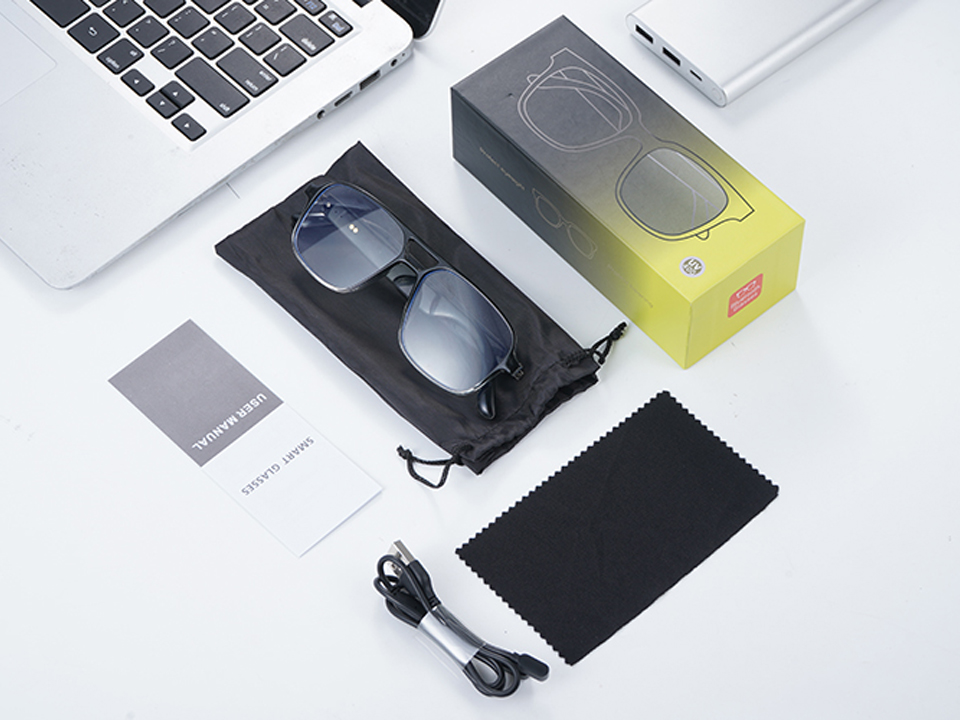
Choosing smart glasses for everyday use means matching their main function—audio, photography, AI assistance, or a display—to a task you perform regularly, then confirming comfortable fit, phone compatibility, sufficient active battery life, acceptable privacy controls, and a return policy that lets you test that task.
I would shortlist three models at most, then eliminate any that fail a nonnegotiable requirement.
The best smart glasses for everyday use are the pair that reliably supports your most frequent task, fits comfortably for the required period, works with your phone and prescription, and provides enough usable battery life without imposing unacceptable costs, recording concerns, or dependence on unavailable services.
There is no defensible universal winner without knowing the wearer’s routine. Define “best” before comparing brands.
Smart glasses battery life is the operating time available under a particular workload, so buyers should compare active use with active use, distinguish the glasses’ internal charge from charging-case capacity, and check whether calls, recording, wireless transfers, or AI requests materially change the advertised estimate.
Ask for the test conditions. Then reproduce your own routine while returns remain available.
Prescription smart glasses are electronic eyewear fitted with corrective lenses, and their suitability for daily wear depends on whether the frame supports your exact prescription, maintains appropriate optical alignment, feels comfortable, and offers practical arrangements for lens replacement, charging, repairs, and use when the electronics stop working.
Confirm the optical details with the dispensing professional before ordering customized lenses.
Before buying, write down your three daily priorities, your three rejection criteria, and your total budget including lenses and services.
Then request proof: an original recording, a realistic battery explanation, written prescription confirmation, and clear return terms. If the HG013 matches your camera-first shortlist, use its linked listing to start that conversation.
Buy when the answers support your routine. A feature list is an invitation to investigate—not a reason to pay.